Russian Imperative (Русский императив)
National Myth and the Management of Collective Emotion

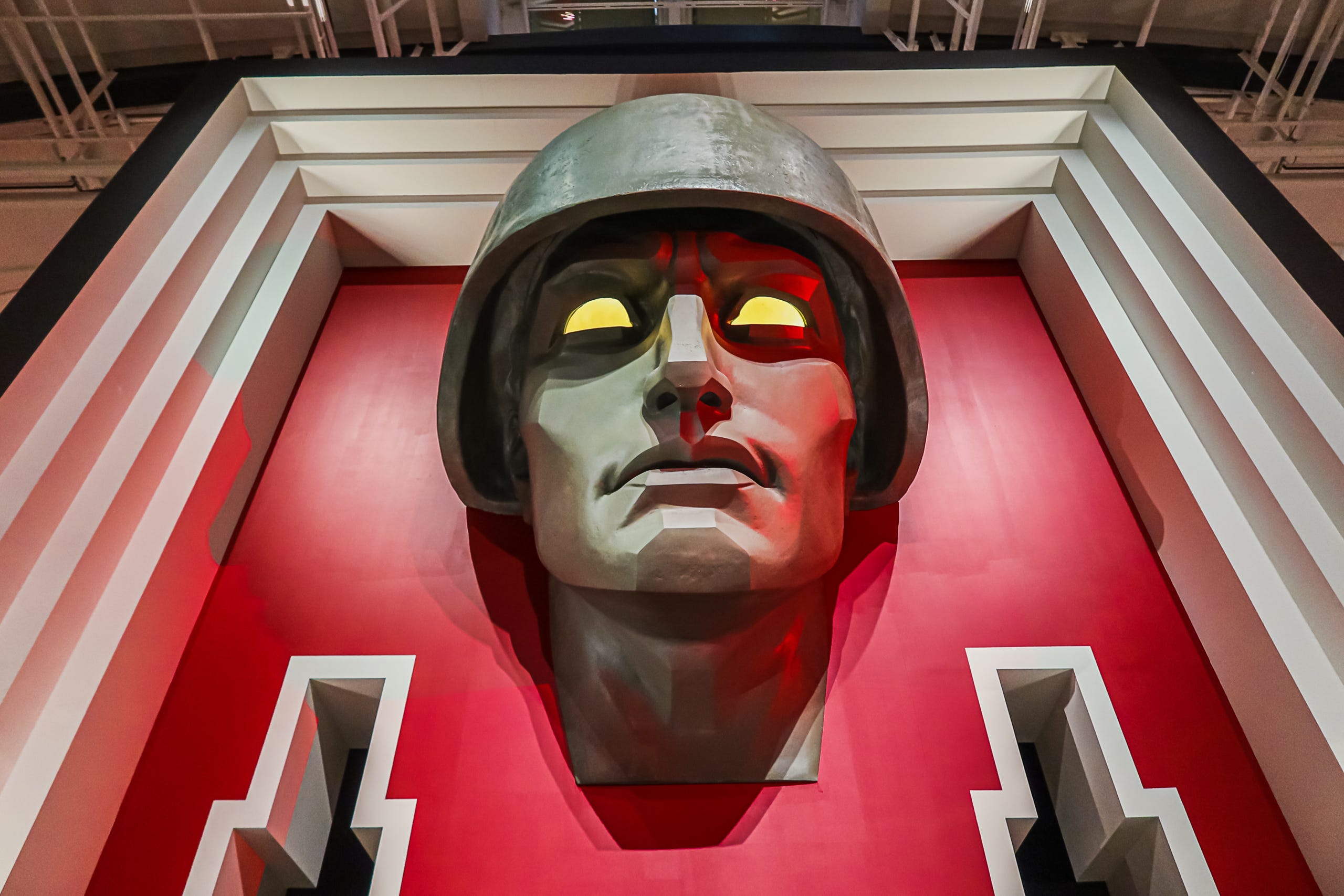
Russian Imperative (Русский императив)
National Myth and the Management of Collective Emotion
No one wants to self-identify as the bad guy. That is why self-image, particularly national self-perception, becomes so important to create and maintain.
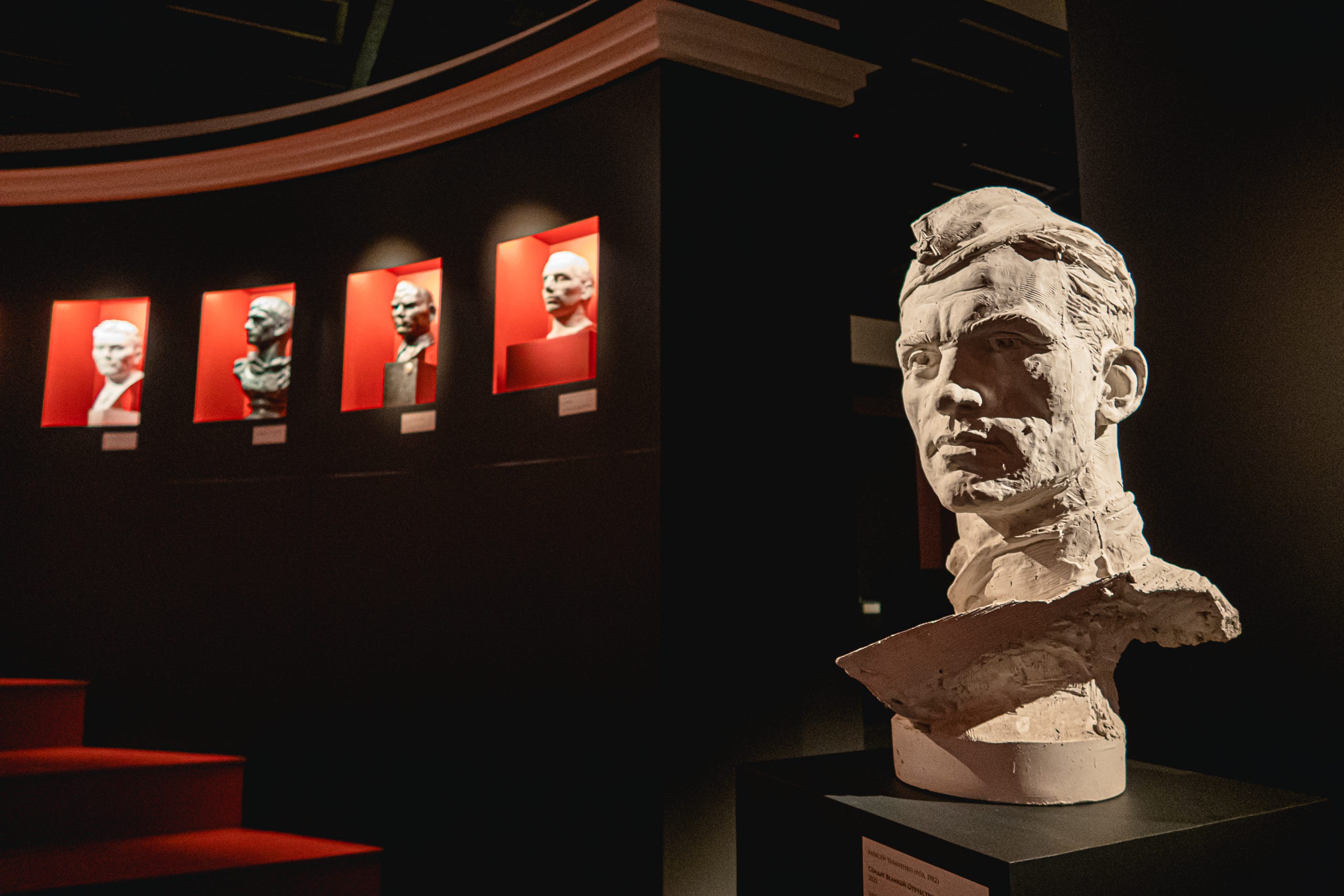
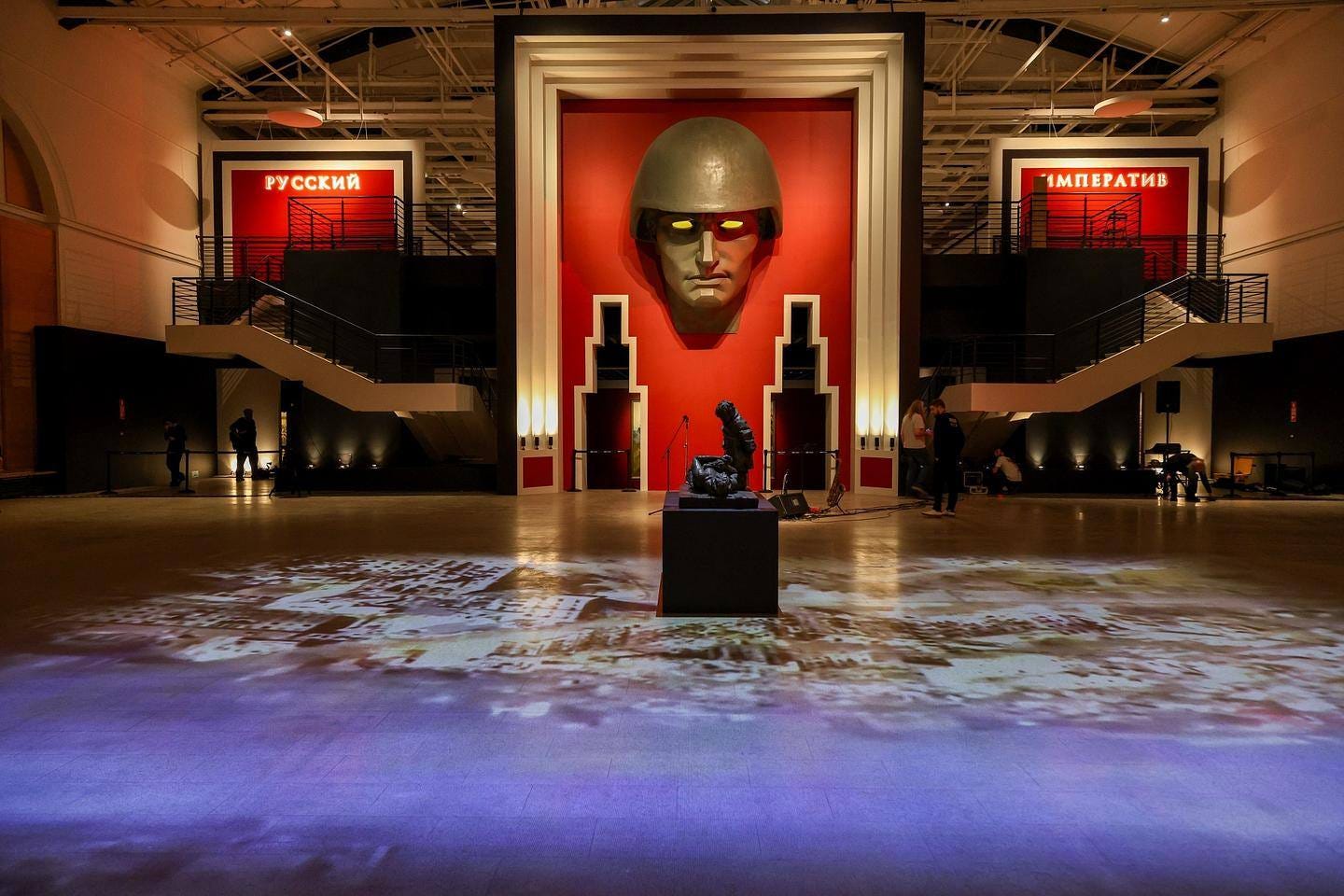
The images[1] are from the “Russian Imperative” (Русский императив) exhibit at the Manege Central Exhibition Hall in St. Petersburg. The exhibition opened on 8 May and is scheduled to remain open until 7 June 2026.
It is also of interest to note that St. Petersburg was the location of the 2015 and 2025 international neo-Nazi congresses.
Contextually, this becomes particularly fascinating given that, in roughly a month, Moscow is expected to reopen the former Gulag History Museum as a new state exhibition focused on Nazi war crimes against the Soviet Union during the Great Patriotic War.[2]
There is something revealing in watching one historical memory quietly replace another as the narrative needs and requirements of the state evolve. The modern Russian state increasingly appears less interested in reconciling with Soviet repression than in subsuming it beneath a renewed mythology of patriotic sacrifice, anti-fascism, civilisational struggle, and historical destiny. The memory of victims of the Gulag becomes increasingly less useful, possibly even damaging, whereas the victory over Nazism remains useful.
Particularly revealing is the language used by the exhibition’s own curators. One described the “Russian imperative” as a moral law beyond discussion, “something everyone understands and accepts.” Another explained that the purpose was not to present military chronology or strategy, but to construct an image of the Russian soldier as a timeless symbol of sacrifice, endurance, and service to the Fatherland. The exhibition consciously links medieval Russia, the Great Patriotic War, and the present “special military operation” into a single civilisational narrative stretching across centuries.
Visitors entering the exhibition are greeted by a reconstructed monument to Soviet war hero Alexander Matrosov, recreated after the original monument in Dnipro was dismantled in 2023. The symbolism is difficult to miss.
This is particularly notable given that modern Russia has increasingly framed political opposition itself through the language of fascism. The invasion of Ukraine was partially justified as a “de-Nazification” campaign. Domestic opponents, dissidents, liberals, and external critics are regularly placed into the same broad moral category. “Anti-fascism” ceases to describe a historical struggle and instead becomes a legitimising state doctrine, flexible enough to be applied wherever political utility demands it.
Both the St. Petersburg exhibition and the planned Moscow museum restructuring appear aimed at cultivating patriotic mobilisation and nationalist sentiment directed toward an externalised adversary. Historically, few political instruments have proven more effective at concentrating social energy, legitimising sacrifice, and binding populations emotionally to the state than nationalism fused with historical memory.
The irony, then, is not merely that neo-Nazi congresses were held in the same city while the state publicly elevates anti-fascist mythology. It is that the mythology itself has become detached from fixed ideological meaning. The Great Patriotic War increasingly functions less as memory than as political infrastructure: a sacred victory repurposed to legitimise present authority, national mobilisation, and civilisational confrontation.
Politically useful narratives are elevated, and others are made dangerous to remember.
-j
(20260508)
References:
[1] Bezformata Sankt Peterburg, “На выставке «Русский императив» представили 250 работ художников” May 8, 2026. https://sanktpeterburg.bezformata.com/listnews/vistavke-russkiy/159450316/
[2] DW, “Russia to convert Gulag museum into Nazi crimes memorial”, February 21, 2026. https://www.dw.com/en/russia-to-convert-gulag-museum-into-nazi-crimes-memorial/a-76068581
[x] Andrey Plakhonin facebook post: https://www.facebook.com/AndreyPlakhonin/posts/pfbid0ELkeTLYFCr9rQqixh3HLqSdR8FzqktPriA6NiKrPq4Nyq3M5kds3aTvYb7gYS6gCl
[x] Anton Shekhovtsov facebook post: https://www.facebook.com/photo?fbid=10231929146747338&set=a.2205893342652